PLEASE NOTE: This article was updated in October 2026. Due to unprecedented spikes in precious metal prices and a surge in refining requests, some refineries may be experiencing delays or temporarily limiting their services. Always check directly with the refinery to confirm what services they are currently offering, along with processing times and requirements, before sending in your precious metal scrap!
Whether you are just taking your first classes in metalwork or have been making jewelry for decades, if you are working in silver and gold, it is important to save every piece of precious metal dust you can!
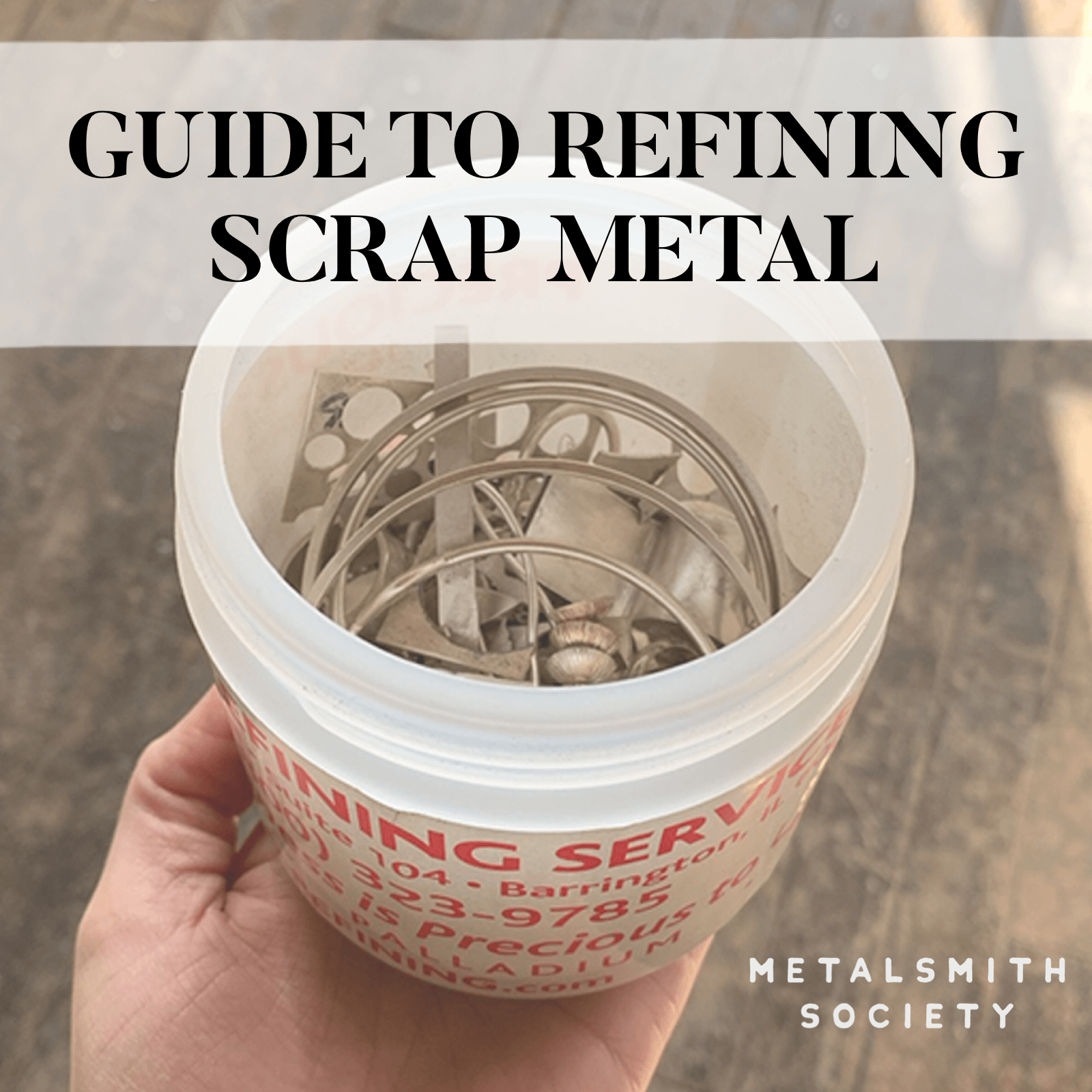
That is why I have put together Metalsmith Society's guide to jewelry scrap refining, which includes precious metal refining companies recommended by members of our community!
Refining not only your clean gold and silver scraps but also your "dirty" bench sweeps (which I'll get into below) can put hundreds, even thousands of dollars back into your pocket annually, depending on how much precious metal you work with.
I am referring to precious metal scraps throughout this article, not base metals like copper and brass.
Your Jewelry Studio Garbage Is Worth Money!
Bench sweeps are materials collected in your jewelry studio that may contain precious metal dust and particles, along with non-metal materials. Because of this, they need to be processed separately from clean metal scraps. Examples include the contents of your dust collector, floor sweepings, and whatever ends up in your vacuum after cleaning around your bench. But they also include things like the paper towels you use to wipe down your bench, spent sandpaper, and used flex shaft bits!
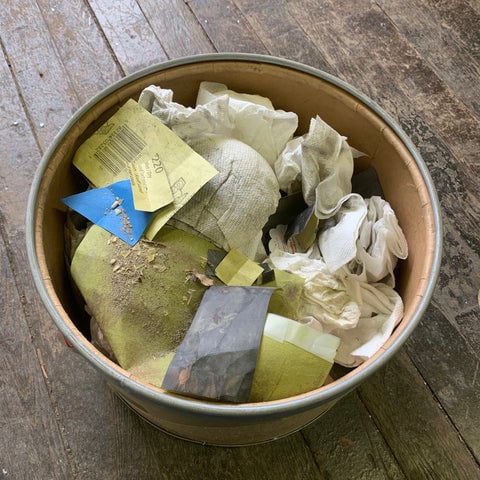
Here are some other examples of items you might not realize can be saved for precious metal refining:
- Old polishing wheels, buffs and polishing brushes
- Used emery sticks and sanding discs
- Dirty shop rags
- Dust masks used while polishing
- Filters from polishing and dust collection systems
- Sludge from ultrasonic cleaners and hand-washing stations
- Precious metal sludge collected from casting quench tanks
And here's something I found fascinating! Some refiners will even accept old carpeting from jewelry studios where jewelers have been working with precious metals for decades. Imagine how much gold dust could accumulate in a rug after 20 years of jewelry making! Obviously, this isn't something you'd regularly collect, but it really puts into perspective just how much precious metal dust can accumulate in your studio over time.
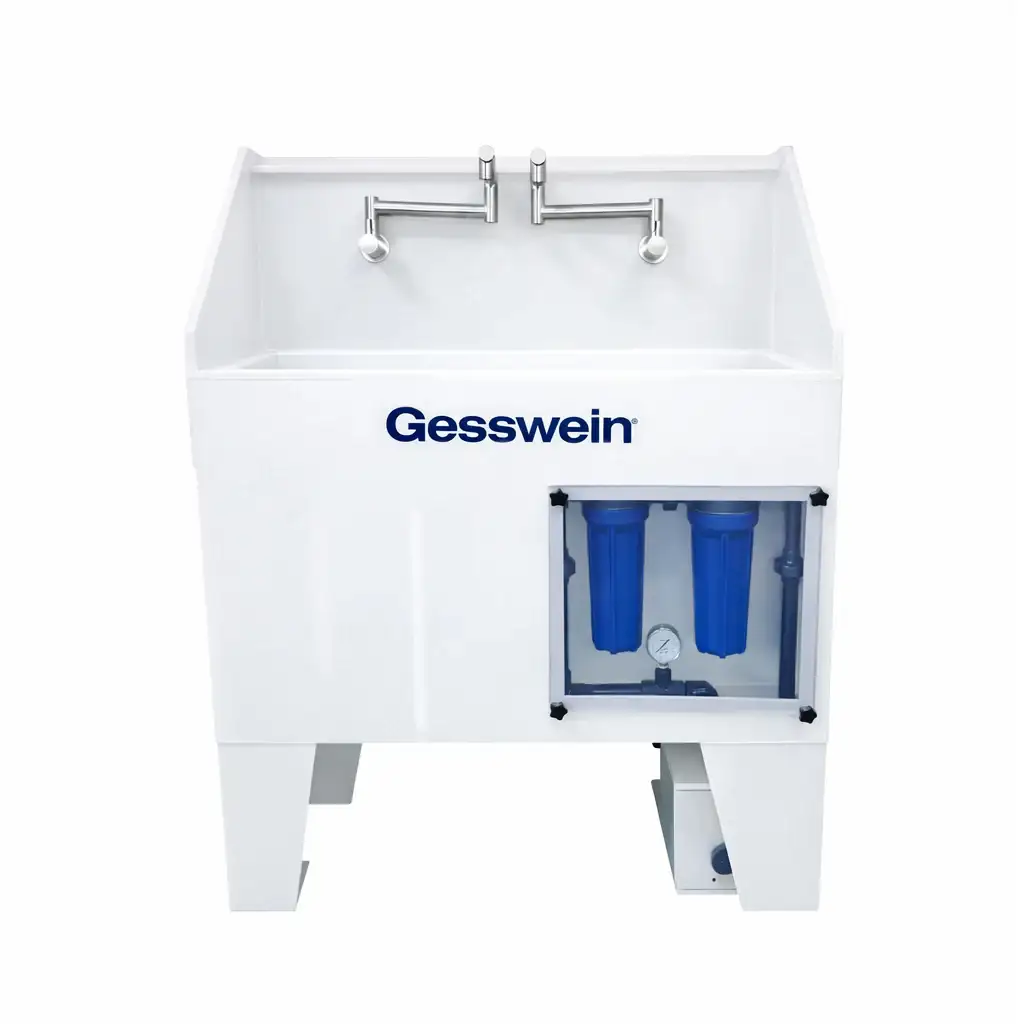
DID YOU KNOW? Every time you wash your hands after working with gold or silver, tiny precious metal particles could be going down the drain! There are specialty sinks designed to collect these particles, like Gesswein's Precious Metal Recovery Sink.
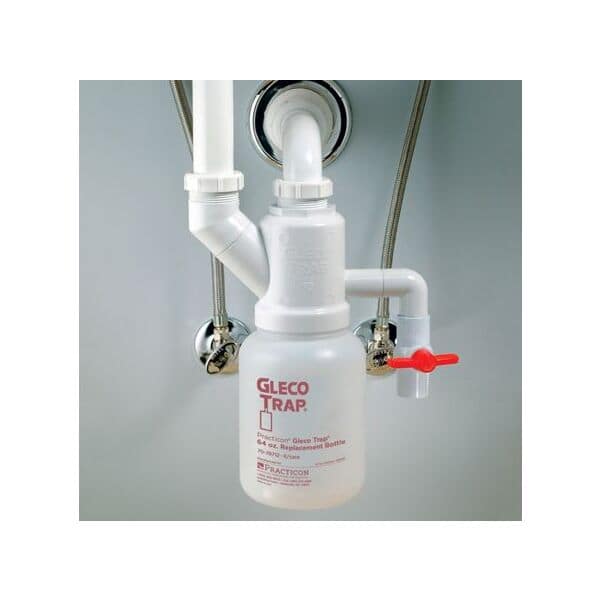
For a more affordable option, check out the Gleco Trap! Originally designed for dental offices to collect plaster and sediment, this system installs beneath your existing sink and has a removable bottle that collects solid particles. While it isn't specifically designed for precious metal recovery, it could be a budget-friendly way to collect metal-bearing sediment that might otherwise go down the drain!
How to Collect Clean Gold and Silver Jewelry Scrap
Clean jewelry scraps include your precious metal filings, dust, cutoffs, and leftover pieces of gold and silver. These can be stored in separate containers, and you'll want to keep your gold and silver separate. Depending on your refiner, you may also need to separate different karats of gold!
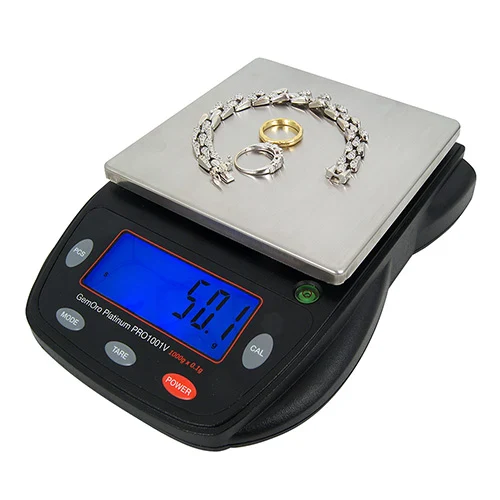
It's incredibly helpful to have a scale on hand, as you'll need to record the weights of the clean scraps you're sending in for refining. This GEMORO Professional Scale Pro 1001V from Gesswein is a great option! It has a 1,000g capacity, measures in 0.1g increments, and can also weigh in troy ounces (ozt), pennyweights (dwt), carats (ct), and more.
Tips for Collecting Clean Scrap and Dirty Bench Sweeps
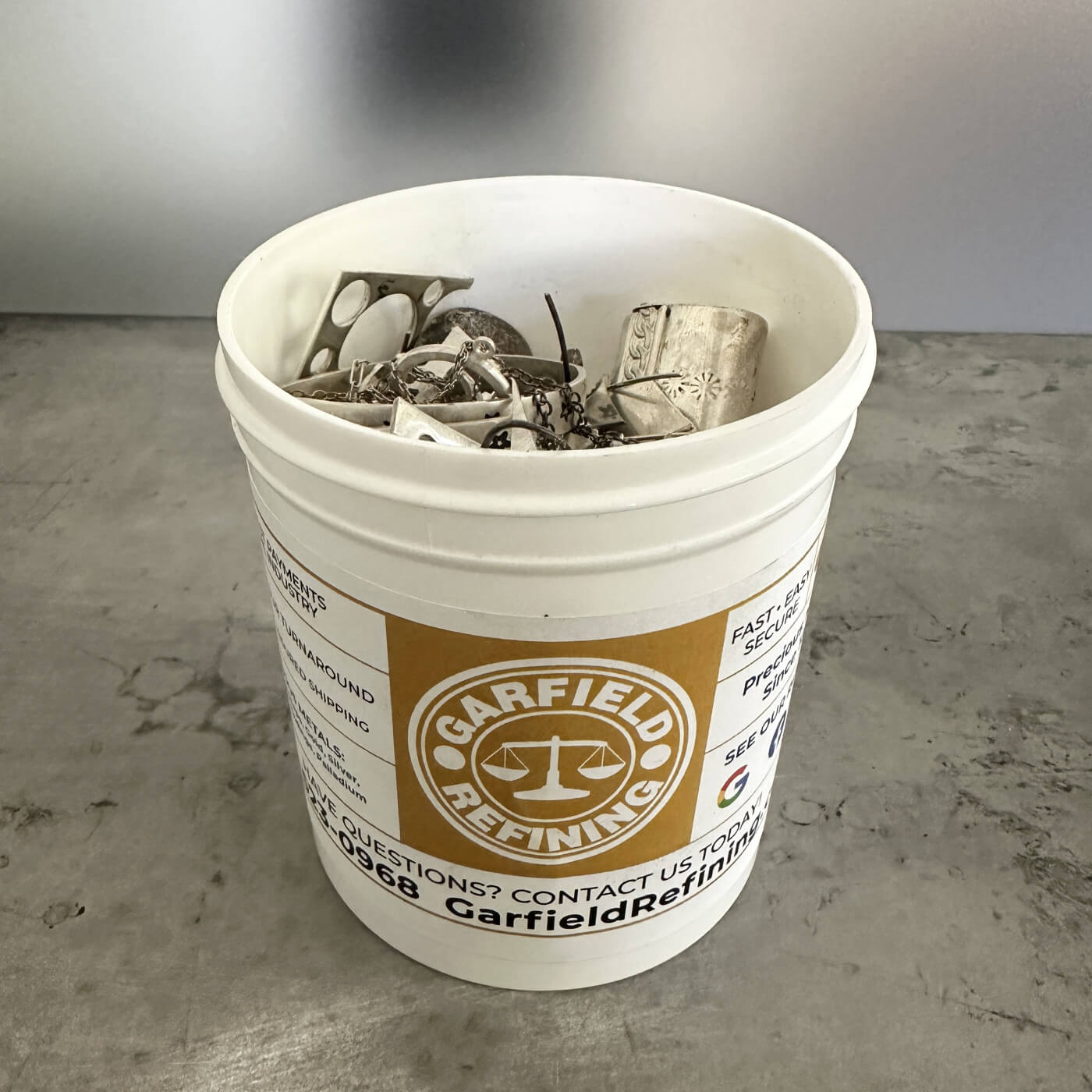
Request containers from your refiner! Many precious metal refiners will provide small containers for collecting your clean scrap. Keep one for silver, one for gold, and another for platinum if you work with it! Depending on your refiner, you may also want to separate different karats of gold.
Use a file folder under your bench pin! When filing or sawing, I place a file folder underneath my bench pin to catch precious metal filings and cutoffs. I keep separate folders for gold and silver so the metals don't get mixed together!
Don't forget your ultrasonic cleaner! When I'm emptying mine (I use a non-toxic cleaning solution and water), I pour the contents through four stacked coffee filters to collect tiny metal particles and sludge. Another option is to collect the spent liquid in a dedicated container and, if safe for your cleaning solution, allow the water to evaporate, leaving behind the sludge for refining. Follow local disposal guidelines for any remaining cleaning solution.
Keep precious metal dust from leaving your studio! Consider placing a sticky mat near your studio entrance to catch particles that might otherwise get carried out on the bottoms of your shoes.
Make collecting your polishing dust part of your routine! Regularly clean around your polishing station and save the contents of your dust collection system in your designated sweeps container.
Keep your clean scraps and dirty sweeps separate! Label your containers clearly so you don't accidentally mix materials that require different refining processes.
Frequently Asked Questions About Refining Jewelry Scrap
Can You Refine Jewelry Scrap That Has Solder on It?
Yes! If your gold or silver scraps have jewelry solder on them, you can still send them in for refining. This also applies if you have a piece of silver scrap with a bit of gold soldered onto it! The refining process can separate and recover the different precious metals, and your payout will reflect the amount of each precious metal recovered, minus any applicable fees.
Can You Refine Different Precious Metals Mixed Together?
Yes! Refiners can recover gold, silver, platinum and palladium from mixed precious metal scrap. However, it's best to keep different metals separated whenever possible. For example, collect your sterling silver separately from your gold scraps.
What about different karats of gold? Some refiners are happy to accept mixed-karat gold scrap, while others prefer that you separate your 10k, 14k and 18k gold. Always check with your refiner before sending in your scraps!
Can You Refine Gold-Filled Jewelry Scrap?
Yes! Gold-filled jewelry scraps should absolutely be saved! However, because gold-filled metal contains a relatively small amount of gold compared to solid gold, you'll need to collect a significant amount and send it in bulk to make refining worthwhile.
Keep your gold-filled scraps in a separate container and let them accumulate! Be sure to check with your refiner about minimum quantities and processing fees, as not all precious metal refiners accept gold-filled scrap.
How Much Money Will I Get Back From Refining Jewelry Scrap?
That depends on how much precious metal you're sending in, the purity of the metal, current gold and silver prices, and your refinery's fees. Clean gold and silver scraps generally have a higher recovery value than dirty bench sweeps, which contain other materials that need to be separated.
Some refiners charge processing fees or have minimum quantities, so it's always worth asking about their payout rates before sending anything in!
How Do Precious Metal Refiners Pay You?
You might be surprised to learn that you have options beyond receiving a check! Depending on the refinery, you may be able to receive:
- A check or direct deposit
- Account credit toward future jewelry-making supplies
- Gold or silver bullion, including bars and coins
- Precious metal casting grain
- Credit toward an existing balance with a supplier
For example, Stuller allows you to receive account credit that can be used toward jewelry supplies, precious metal casting grain, and even gold and silver bullion! Garfield Refining also offers bullion as a payment option.
Some companies even waive certain processing fees when you choose store credit, so be sure to ask about your options!
Is There a Minimum Amount of Jewelry Scrap You Can Send for Refining?
It depends on the refiner! Some companies accept small amounts of clean gold and silver scrap, while others have minimum weight requirements. Always check with your refiner before sending anything in.
For dirty bench sweeps, I recommend waiting until you've filled your collection bucket before sending it in. You also want to make sure the materials you're collecting actually contain a worthwhile amount of precious metal dust. For example, if you're saving used paper towels, ideally they should be pretty saturated with precious metal dust rather than just slightly dirty! The more precious metal your sweeps contain, the better your potential return.
How Should You Ship Your Precious Metal Scrap to a Refiner?
I always recommend using a shipping service that provides tracking and insurance when sending precious metal scraps for refining. Trust me, especially if you're sending in a significant amount of gold, it's worth paying extra for the peace of mind!
Some refiners offer prepaid, insured shipping labels or special shipping containers, so be sure to ask before sending anything in. If you're arranging shipping yourself, make sure your insurance specifically covers precious metals and their full declared value, as not all carriers or shipping services do.
How Long Does Precious Metal Refining Take?
This varies by company and the type of scrap you're sending in. Clean scrap can often be processed relatively quickly, while dirty bench sweeps may take longer because of the additional processing involved.
Ask your refiner about their turnaround time and when you can expect payment!
Where to Refine Gold and Silver Jewelry Scrap
Wondering where to send your gold and silver jewelry scraps for refining? Below is a list of precious metal refining companies recommended by members of the Metalsmith Society community!
Some companies accept both clean jewelry scraps and dirty bench sweeps, while others specialize in clean precious metals. Always check their current refining fees, minimum quantities, shipping requirements and payout options before sending anything in.
Precious Metal Refiners
United States
Garfield Refining | Philadelphia, Pennsylvania
Established in 1892, Garfield Refining is a family-owned precious metals refinery that refines gold, silver, platinum and palladium. They accept clean jewelry scrap, dirty bench sweeps and gold-filled materials. They also offer free insured shipping and several payment options, including checks, direct deposits and precious metal bullion.
Learn more about Garfield Refining and request a free shipping label.
United Precious Metal Refining | New York
United Precious Metal Refining specializes in refining gold, silver, platinum and palladium for jewelers. They accept clean jewelry scrap, bench sweeps, polishing waste, filings and other precious metal-bearing materials.
Learn more about United Precious Metal Refining.
Pease & Curren | Warwick, Rhode Island
Founded in 1916, Pease & Curren is a family-owned precious metals refinery located right here in Rhode Island! They accept clean jewelry scrap, filings, polishing buffs, vacuum bags, filters, floor sweeps and other precious metal-bearing materials from jewelers.
Learn more about Pease & Curren.
Gannon & Scott | Rhode Island and Arizona
Established in 1919, Gannon & Scott provides precious metal refining services for jewelers and jewelry manufacturers. They process gold, silver, platinum and palladium, including clean scrap, gold-filled materials, polishing waste, filters and dirty bench sweeps.
Learn more about Gannon & Scott.
PMRS | Illinois
Located in Illinois, PMRS refines both dirty and clean precious metal scraps! You can contact Ted at 1-815-355-4422 to discuss your refining needs and inquire about buckets for dirty scraps, containers for clean scraps and shipping arrangements.
Rio Grande Scrap Program
Rio Grande offers a precious metal recycling program for jewelers. They accept various types of precious metal scrap but do not accept dirty bench sweeps.
Learn more about Rio Grande's Scrap Program.
Stuller Clean Scrap Return Program
Stuller offers a precious metal clean scrap program that allows jewelers to receive payment based on the value of the metals recovered.
Payment options include checks, direct deposits and Stuller account credit, which can be used toward jewelry-making supplies, precious metal casting grain, gold and silver coins, and bullion. They also offer free processing for eligible gold scrap when you choose account credit.
Note: Stuller has temporarily paused accepting silver clean scrap lots, so check their website for current availability.
They also have a diamond scrap program.
Learn more about Stuller's Clean Scrap Return Program.
Hoover + Strong
Hoover + Strong offers precious metal refining services for jewelers, including gold, silver, platinum, palladium and dirty bench sweeps.
They also offer the option to apply refining proceeds toward your account balance, which can be helpful if you're already purchasing precious metals or jewelry-making materials from them.
Learn more about Hoover + Strong.
AAA Precious Metals
AAA Precious Metals offers precious metal refining services.
Learn more about AAA Precious Metals.
International Precious Metal Refiners
Australia
Palloys
Palloys accepts various types of precious metal scrap, including lemel and other metal residues, to recover gold, silver, platinum and palladium.
Lemel is a jewelry trade term for the small shavings of precious metals left over from filing and other jewelry-making techniques. Think of it as the jewelry workshop equivalent of sawdust!
Canada
Umicore
Umicore offers precious metal recovery and refining services for gold, silver, platinum and palladium.
France
Cookson CLAL
Cookson CLAL offers precious metal refining services, including valuations for clean jewelry scrap as well as sweeps!
Learn more about Cookson CLAL.
Germany
Burger Edelmetalle
Burger Edelmetalle offers precious metal services in Germany.
Learn more about Burger Edelmetalle.
Agosi
Learn more about Agosi's precious metal services.
Wieland Edelmetalle
Learn more about Wieland Edelmetalle.
Ireland
NN Enterprises
NN Enterprises offers precious metal services in Ireland.
Learn more about NN Enterprises.
New Zealand
Morris & Watson
Established in 1928, Morris & Watson provides precious metal refining services for jewelers, including clean scrap, lemel and dirty bench sweeps. They recover gold, silver, platinum and palladium and offer various payment and metal return options.
Learn more about Morris & Watson.
Regal Ltd. | Auckland, New Zealand
Regal offers precious metal refining services for jewelers, including clean scrap, lemel, bench sweeps, polishing waste and other precious metal-bearing materials. They also provide jewelry casting and manufacturing services.
Spain
J & M | Madrid, Spain
J & M refines gold, silver and other precious metals.
United Kingdom
Cooksongold
Cooksongold offers precious metal refining services for jewelers, including clean gold and silver scrap as well as dirty bench sweeps!
King Refining Limited | Cheshire, United Kingdom
A small family-run business based in Cheshire, United Kingdom. They refine precious metal scrap from jewelers, dentists and dental laboratories.
Learn more about King Refining Limited.
Mastermelt
Mastermelt specializes in precious metal recovery for the jewelry industry. They accept clean jewelry scrap, lemel, dirty bench sweeps, polishing waste, extraction bags and other precious metal-bearing materials. They even offer workshop cleanup services!
Star Refining | London, United Kingdom
Star Refining provides precious metal refining services for jewelers and jewelry manufacturers. They process gold, silver, platinum and palladium, including clean scrap, lemel, bench sweeps, polishing waste and other workshop residues.
Learn more about Star Refining.
Before You Go...
Know of another precious metal refiner that works with jewelers? I'd love to hear about it! This list has grown thanks to recommendations from members of the Metalsmith Society community, and I'm always happy to add more resources for jewelers around the world!
I hope this guide helps you get the most out of your precious metal scraps! If you found it helpful, please consider supporting Metalsmith Society. Your support helps me continue creating free jewelry-making resources like this one and keeping our community going!
You can support Metalsmith Society by becoming a patron or shopping the Metalsmith Society Shop and exploring other ways to support the community. Every bit of support is so appreciated!